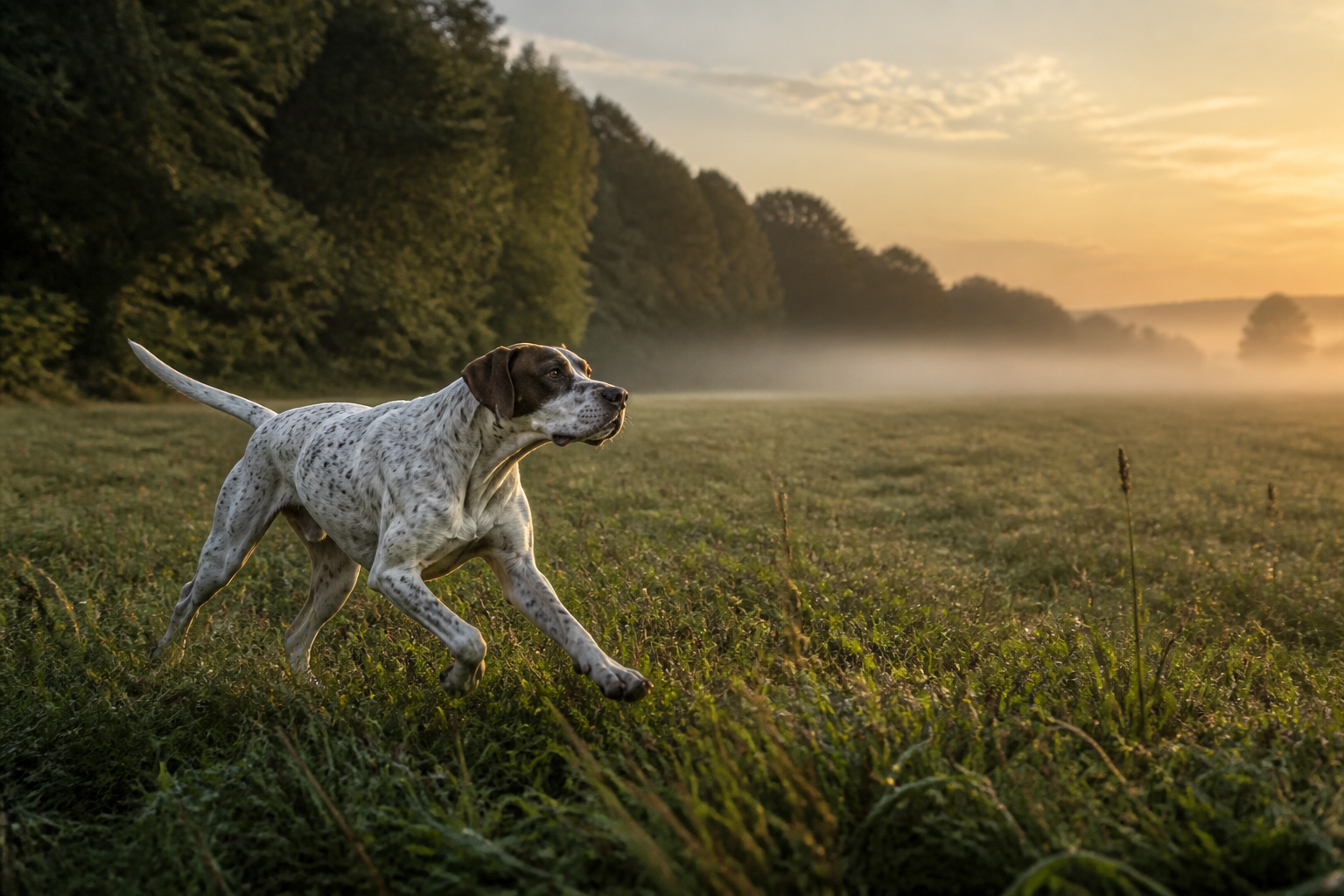
A hunting dog does not instantly pass from rest to an effort day. Its training and feeding must evolve gradually. Needs vary according to the duration of the outings, terrain, weather, type of work, format of the dog and its physical condition. Follow-up of the body condition is therefore indispensable.
- Prepare for fitness and diet several weeks before the season.
- Choose a recipe whose energy allows to cover the effort without excessive volume.
- Organize meals away from effort according to the advice of the veterinarian.
- Provide clean water and monitor recovery, pads and weight.
1 Build a load climb
First increase activity gradually. If a more energetic food becomes necessary, make its transition before the longest outings. Changing training, quantity and recipe the same weekend makes it difficult to follow up.
Weigh the dog before the season and note its silhouette. In a pack, follow each individual: two dogs of the same weight can have very different expenses depending on their appearance, temperament and work.
2 Adapt energy density
For an active dog, energy density allows to bring more energy without disproportionately increasing the volume of the meal. Fats are a concentrated energy source, but the choice must remain consistent with digestive tolerance and duration of effort.
Adjust the ration based on real-world results: weight, muscle condition, recovery, appetite and stools. Protein and fat figures do not replace an overall assessment of the food.
3 Water, time and recovery
Take enough clean water and offer it regularly. Avoid heavy meals just before or immediately after an intense effort; ask the veterinarian for a schedule adapted to the individual risk, especially for large deep-chest dogs.
After exit, check the general condition, legs, ambient temperature and recovery. A weakness, a distended stomach, unproductive vomiting efforts or respiratory distress are veterinary emergencies.
We give you clear, straightforward answers.
Should we keep the same kibble off season?+
This depends on the activity and the body state. A very energetic recipe may require a reduction or a gradual return to a maintenance food.
How to feed a pack without subdosing some dogs?+
Distribute and follow the rations individually. Weigh each dog and adjust according to their work and condition, not only according to the average weight of the group.
Information content based on recognized references. It does not replace a diagnosis or veterinary prescription.
Nutritional Recommendations FEDIAF 2025 ↗Nutrition Tools of WSAVA ↗