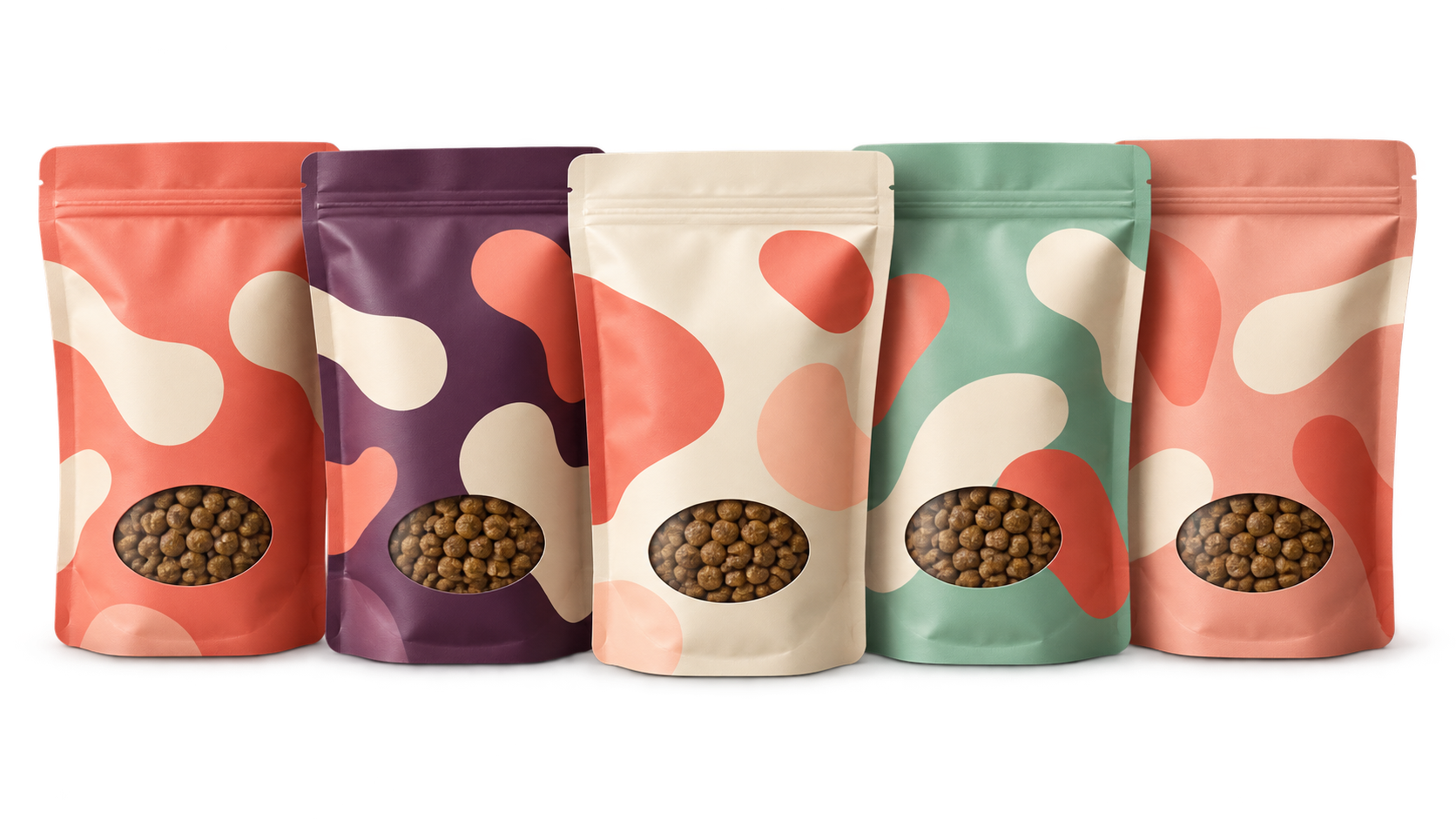
After sterilization, the main issue is often the balance between calories consumed and sometimes lower activity. It is not about putting the cat on the diet for no reason, but to track its weight, measure the portions and preserve good hydration. The right solution can be dry, wet or mixed according to its habits.
- Weigh portions instead of filling the bowl by eye.
- Follow the weight and silhouette every two to four weeks.
- Promote access to water and consider a full wet feed.
- Have the veterinary choice validated in case of urinary history.
1 Adjust energy without starvation
Start with the portion stated for the animal’s ideal weight, then adjust it according to actual progress. Two foods may recommend very different portions because their energy densities differ. Kitchen scales make monitoring much more reliable.
Splitting the ration into several small meals, using a playful dispenser and enriching the environment can help an indoor cat better manage its food rhythm.
2 Dry, wet or mixed feed
Kibble is convenient to measure and store. Complete wet food provides more water and adds volume to the bowl. A mixed diet can combine both, provided that the total ration is recalculated rather than adding two full portions.
Check that wet food fed daily is labelled “complete food”. A complementary food or treat cannot replace a balanced meal.
3 Follow the right indicators
Observe the weight, the height seen from above, appetite, activity, transit and water consumption. Adjust in small steps rather than in large reductions. Weight loss should be kept gradual and framed.
Difficult to urinate, repeated passages to the bin, vocalising or absence of urine are signs that require rapid veterinary management, especially in the male.
We give you clear, straightforward answers.
Can a neutered cat eat wet food every day?+
Yes if it is complete, adapted and integrated into the total energy ration. The veterinarian can specify the choice according to the cat's profile.
Are urinary kibble suitable for all cats?+
No. Dietetic foods meet specific objectives and must be used on veterinary recommendation.
Information content based on recognized references. It does not replace a diagnosis or veterinary prescription.
Nutritional Recommendations FEDIAF 2025 ↗Nutrition Tools of WSAVA ↗